
Cozy Mystery Setting: How to Build a Town Readers Love
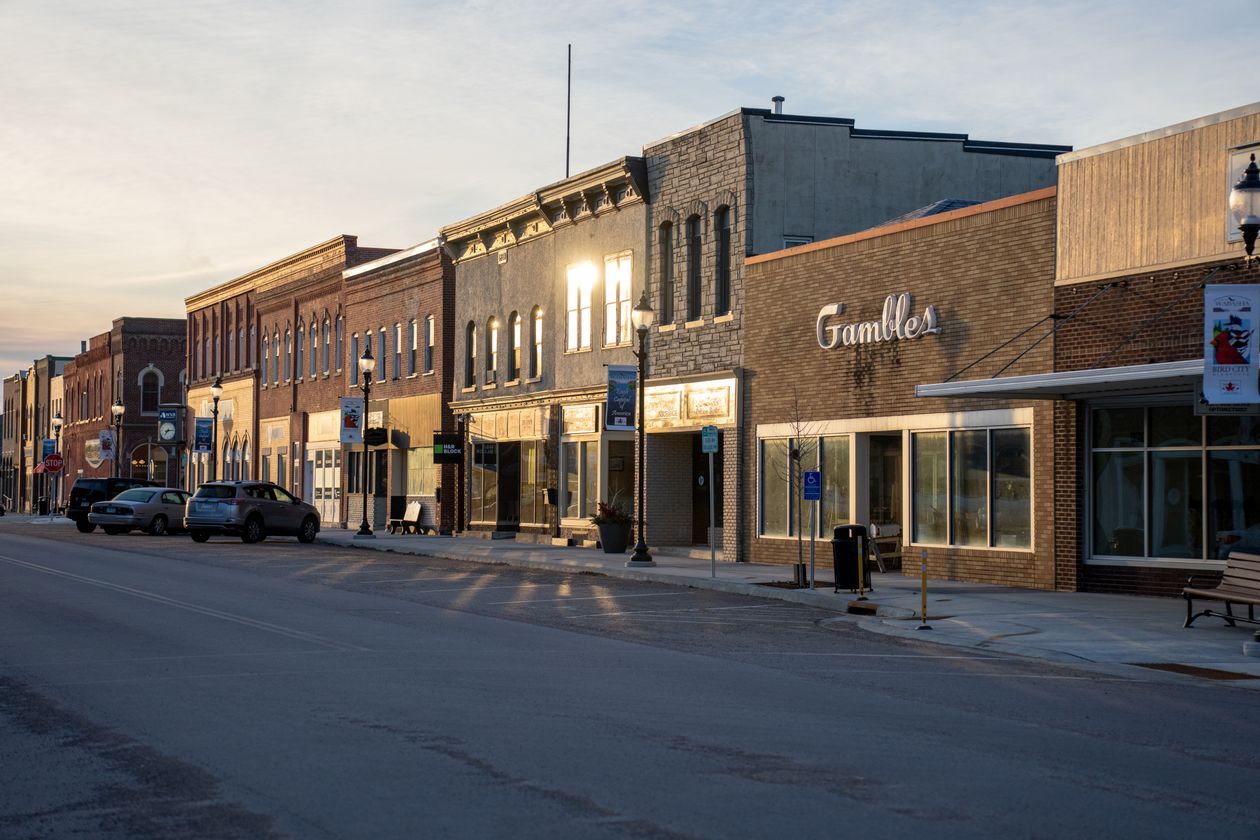
Picture the last cozy mystery you fell for. Odds are you remember the town before you remember who did it. The bakery with the crooked sign. The diner where the regulars have unofficial assigned stools. The neighbor who sees everything from her front porch and misses nothing. That town is a big part of why you kept turning pages, and building it is the step too many new writers rush. A strong cozy mystery setting does more than hold the plot in place. It hands the reader a whole community they will happily follow across ten books. I have watched it happen with my own Peanut Peddler Mysteries, and I have watched readers fall for a made-up town harder than they fall for the sleuth. Here is how to build a small town worth solving a crime in.
Your Cozy Mystery Setting Is a Character, Not a Backdrop
Here is the shift that changes everything. Stop thinking of your town as the stage and start thinking of it as a person in the cast. A real town has a temper. It has a memory. It has opinions about newcomers, a way it handles a scandal, and a version of itself it likes to show off at the fall festival. When you know those things, the place stops being wallpaper and starts pushing on your characters the way a stubborn aunt would.
Think about how a small town actually behaves. News travels faster than any phone. Everybody remembers the year the hardware store flooded. The church potluck and the high school football score carry real weight. Those details are not filler. They are the personality of the place, and they shape how your sleuth can move through it. She cannot ask a nosy question without three people knowing by supper. She cannot hide a bad mood, because the woman at the post office will ask about it. That friction is pure gift for a mystery writer.
I taught school for more than twenty-five years, and every school had its own weather, its own set of unwritten rules. Towns are the same, only bigger. When you give your cozy mystery setting that kind of inner life, readers feel it on page one, the same way they can feel it when a town is just a name with a few shops bolted on. Give it a history, a grudge, a source of pride. Then let all three cause trouble.
A quick trick for finding that inner life: name three things the town is proud of and three things it would rather you not bring up. Maybe it is proud of the oldest working gristmill in the county and quiet about the factory that closed and took half the jobs with it. Those six facts will do more for your story than a page of pretty description ever could. They tell you who has power, who holds a grudge, and what people will lie to protect. Every one of those is a thread you can pull when the plot needs a push.
Give the Town a Few Places Everyone Ends Up
Every good small town has a handful of spots where the whole community collides, and those recurring locations do more heavy lifting than any other part of your setting. The cafe. The library. The salon. The one diner that has been open since 1962. These are the rooms where your sleuth overhears the thing she was not supposed to hear, where suspects bump into each other, where gossip gets traded like currency.
The reason these places matter so much is simple. In a small town, coincidence stops looking like coincidence. If your amateur sleuth needs to talk to the widow, she does not have to engineer a clumsy reason to drive across town. She just orders a coffee and waits, because sooner or later the widow walks into the same cafe everyone else does. That plausibility is gold. It lets you move suspects around the board without the strings showing, which is exactly what you want when you are trying to build a suspect list that plays fair.
Make one of these places your protagonist’s home base. Her bakery, her bookshop, her yarn store, whatever fits her. Make it warm and specific, the kind of room readers wish they could sit in. That anchor gives every book a heartbeat and a reason for people to keep wandering into the story. It is also usually the spot where you can hook your reader in the opening chapters, before the body ever shows up.

Draw a Map Before You Write a Word
You do not have to be an artist. Grab a napkin and sketch it anyway. Where is Main Street? What sits on the corner? How far is the sleuth’s house from the crime scene, and does she pass the sheriff’s office on the way? A rough map keeps your sense of place honest, and honest is what readers reward. Nothing pulls a reader out of a story faster than a diner that was three blocks east in chapter two and next door to the church by chapter nine.
The map is really the start of your series bible, that private document where you keep track of everything the reader must never catch you forgetting. Street names. Who owns which shop. The name of the lake, the founding date, the reason the two oldest families stopped speaking in 1987. You will thank yourself in book four when a reader emails to ask whether the florist is still married to the mayor’s cousin. This kind of steady record keeping is also the backbone of learning to plan a cozy mystery series readers will binge.
Consistency is not the fun part of worldbuilding, but it is the part readers feel even when they cannot name it. When a town holds together book after book, it earns their trust, and trust is what turns a casual reader into someone who preorders. Build the map once. Keep it close. Let it grow as the town does.

Let the Town Keep a Few Secrets
The warmth is what pulls readers in. The secrets are what keep them up past midnight. A cozy town looks like the safest place on earth, all pie socials and porch swings, and that surface is exactly why the buried stuff hits so hard. Everyone knows everyone, which sounds sweet until you remember it also means everyone knows who owes money, who left whom, and whose garden shed nobody has opened in years.
Plant those tensions early and let them simmer under the friendliness. The two families who smile at church and have not spoken in private since the land dispute. The beloved shop owner whose books do not quite add up. When the body finally turns up, you want readers to realize the motive was sitting in plain sight the whole time, dressed up as small town charm. That contrast between cozy and hidden is the engine of the whole genre, and your setting is where you hide the fuel.
If you want a deeper look at how professional cozy writers handle this balance, Career Authors has a smart breakdown of cozy mystery settings worth bookmarking.
Start With the Town, and the Rest Follows
A cozy mystery setting is not something you decorate around the plot after the fact. It is the ground the whole series grows out of. Treat the town as a character, give it a few rooms where everyone collides, draw the map so you never trip over your own streets, and bury a secret or two under all that friendliness. Do that, and you will not just have a place for a murder. You will have a town readers want to visit again and again, which is the real trick to a series that lasts. So before you write another suspect, another clue, another clever alibi, sit down and build the town. Give it a name, a corner cafe, and one old grudge. The mystery will practically start writing itself.
More to read

How to Write a Cozy Mystery Ending That Satisfies
A satisfying cozy mystery ending rewards readers without cheating. Learn to plant clues, time the reveal, and land a last chapter that sells book two.
Read more
How to Market a Cozy Mystery Series Without Burning Out
Marketing a cozy mystery series doesn't have to mean living on social media. Here is what actually sells cozy books, from one indie author to another.
Read more
How to Plan a Cozy Mystery Series Readers Will Binge
Planning a cozy mystery series? Learn to build recurring characters, a series bible, and a small-town world readers will happily return to, book after book.
Read more